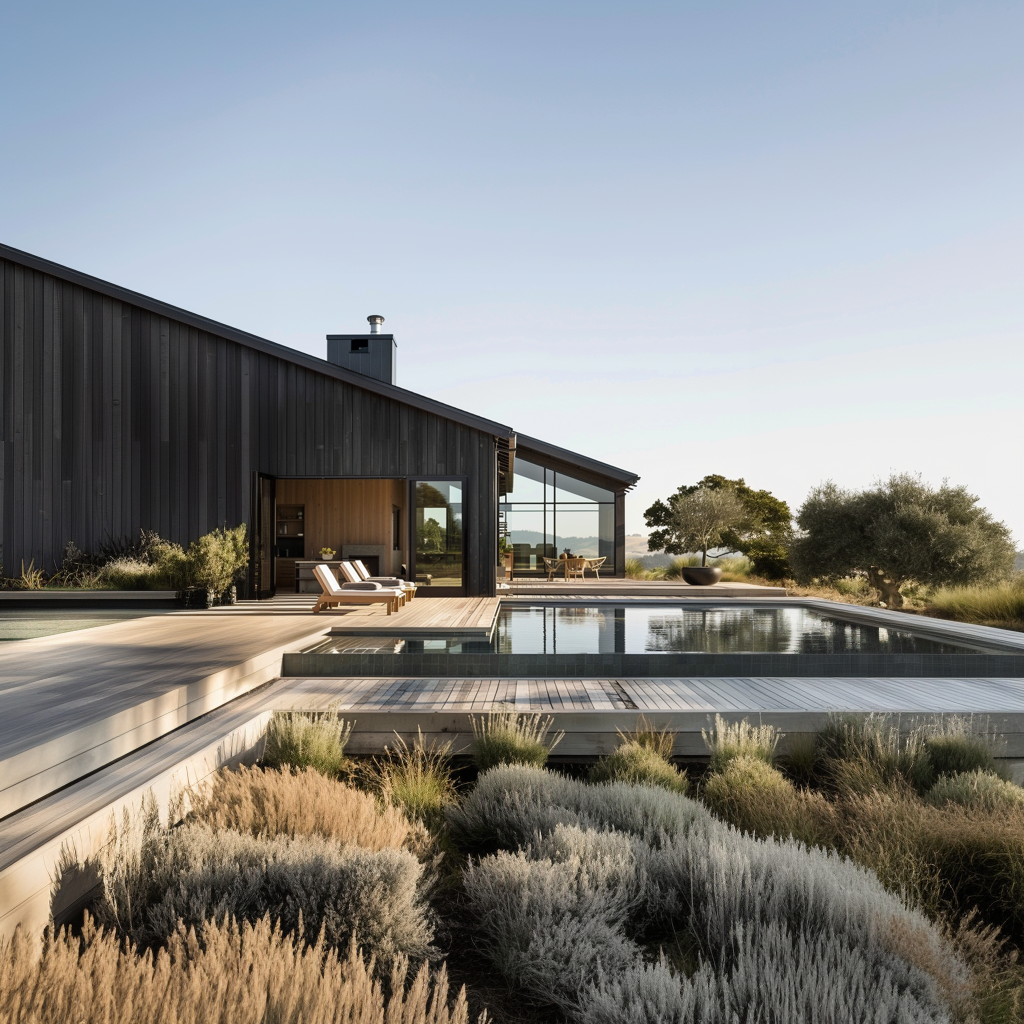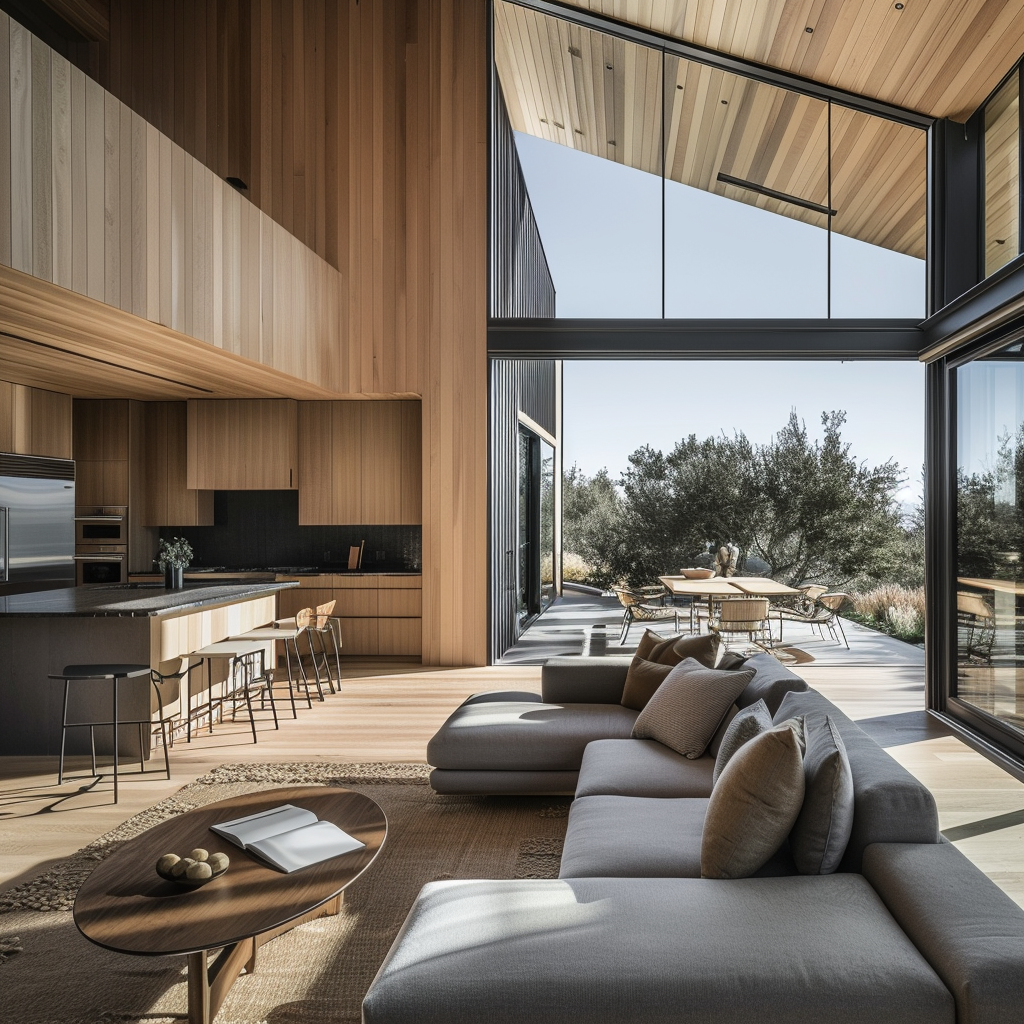
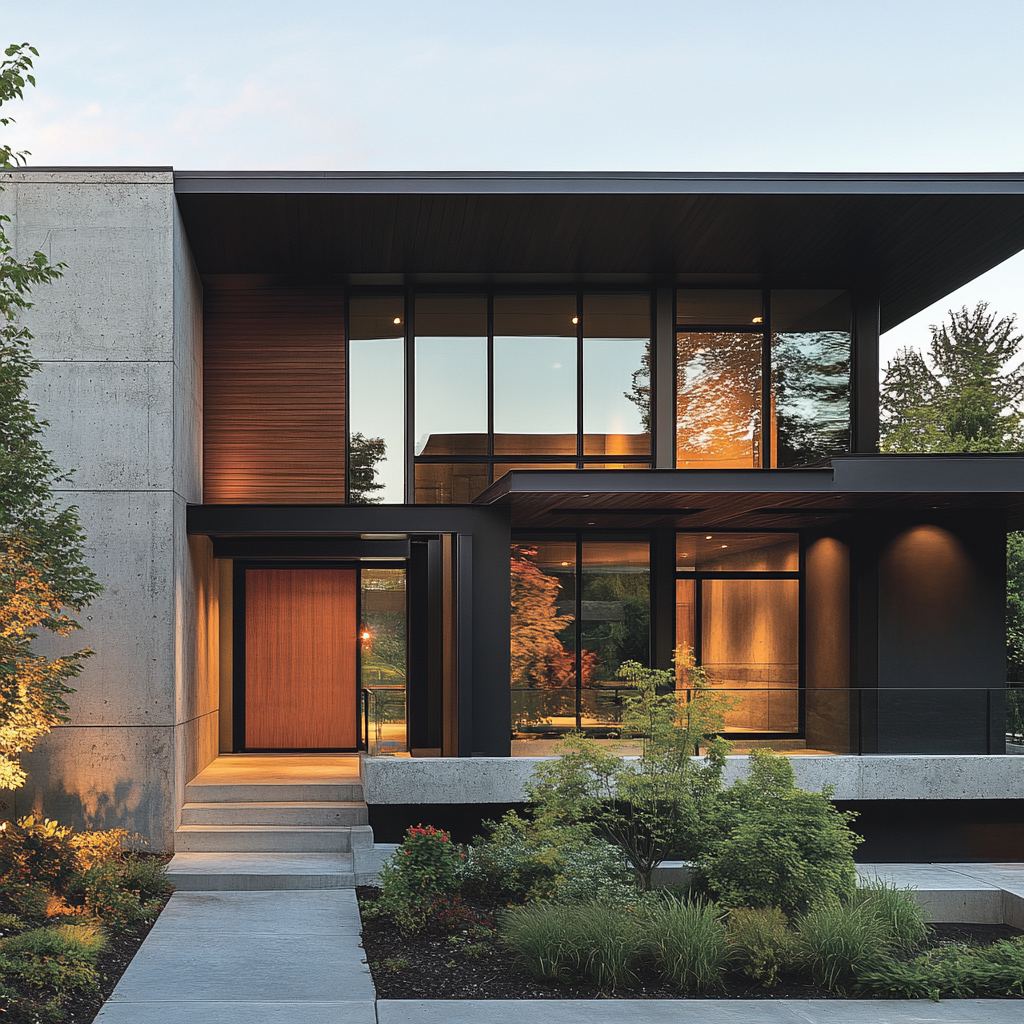
The increasing frequency and intensity of wildfires, particularly in regions like the Pacific Palisades and throughout California, demand a new approach to residential design. We must prioritize fire safety without sacrificing the beauty and connection to nature that define organic modern architecture. This article explores strategies and materials for creating homes that are both stunning and resilient in the face of fire.
Understanding the Fire Threat:
Recent wildfires in Pacific Palisades and across California serve as stark reminders of the destructive power of fire. These events highlight the vulnerability of structures to embers, radiant heat, and direct flame contact. Factors like dry vegetation, strong winds, and challenging terrain contribute to the rapid spread of wildfires. Understanding the specific fire risks in a given area, including local WUI (Wildland-Urban Interface) regulations, is crucial for informed design decisions.
WUI Guidelines and Community Regulations:
The WUI is the zone where wildland vegetation meets or intermingles with human development. Local governments, including Los Angeles County which encompasses Pacific Palisades, have adopted WUI codes to mitigate fire risk in these areas. These regulations often dictate setbacks from vegetation, requirements for defensible space, restrictions on building materials, and specific construction methods. It’s essential to consult with local authorities and familiarize yourself with the applicable WUI codes before beginning any design or construction project.
Fire-Resistant Design Strategies:
A multi-layered approach is key to effective fire-resistant design. This includes:
- Roof Sprinklers: These systems can significantly reduce the risk of roof ignition by wetting down the roof surface and surrounding vegetation. Careful planning is needed to integrate sprinklers aesthetically and ensure a reliable water supply.
- Defensible Space: Creating a buffer zone around the home by clearing vegetation, removing debris, and using fire-resistant landscaping is crucial. This space helps to slow the spread of fire and protects the structure from radiant heat.
- Landscaping: Choosing fire-resistant plants, such as drought-tolerant succulents, native shrubs, and well-maintained lawns, can significantly reduce fire risk. Strategic placement of plants and mulches can also help to create defensible space.
- Building Materials: Selecting inherently fire-resistant materials or using fire-retardant treatments is paramount.

Creating Organic Modern Fire-Resistant Structures:
Organic modern architecture emphasizes natural materials, clean lines, and a seamless connection to the surrounding environment. Fortunately, fire-resistant materials can be incorporated beautifully into this style.
- Concrete: Its inherent fire resistance makes concrete an ideal choice for foundations, walls, and even roofing. Various finishes, such as polished concrete, exposed aggregate, or textured surfaces, can achieve a warm, modern aesthetic.
- Properties: Inherently fire-resistant, durable, versatile, and thermally massive (helps regulate indoor temperature).
- Applications: Foundations, walls (cast-in-place, precast, or concrete masonry units), floors, roofs, fireplaces, retaining walls, and landscaping elements.
- Aesthetics: Concrete can be finished in various ways to achieve different looks. Polished concrete offers a sleek, modern surface. Exposed aggregate reveals the natural stones within the concrete mix. Textured concrete can mimic the look of wood or stone. Concrete can be integrally colored or stained to complement the surrounding environment. Form liners can create patterns and textures. Concrete’s raw, natural quality lends itself well to modern design. It can be combined with wood, steel, and glass to create a harmonious balance of textures and materials.
- Steel: Steel framing, roofing, and accents offer excellent fire resistance and can be integrated seamlessly with natural materials like wood and stone. Steel’s strength and versatility allow for large spans and open floor plans, characteristic of modern design.
- Properties: Inherently fire-resistant, strong, lightweight, versatile, and recyclable.
- Applications: Structural framing (beams, columns, and joists), roofing, siding, window and door frames, railings, stairs, and decorative accents.
- Aesthetics: Steel can be left exposed for an industrial look or clad in other materials. It can be painted or powder-coated in various colors. Steel’s clean lines and minimalist aesthetic are well-suited to modern design. Steel can be used to create open floor plans and large windows, connecting the interior with the outdoors. It can be combined with wood and stone to create a warm and inviting atmosphere.
- Fire-Retardant-Treated Wood: While traditional fire-retardant treatments have raised concerns about toxicity, research is ongoing into non-toxic alternatives. It’s crucial to research available treatments, their certifications, and potential environmental impacts before specifying them. Naturally fire-resistant woods, while less common, can also be considered for certain applications.
- Properties: Wood treated with fire-retardant chemicals to reduce its flammability. Effectiveness depends on the specific treatment and wood species.
- Applications: Framing, roofing, siding, decking, and interior finishes. Use is often restricted in WUI areas.
- Aesthetics: Treated wood can retain its natural appearance, although some treatments may slightly alter the color or texture.
- Integration: While treated wood can be used, it’s essential to research non-toxic options and consider the environmental impact. Research into non-toxic fire-retardant treatments for wood is ongoing. Borate-based treatments are one option that is generally considered less toxic than some older chemical treatments. Always consult with experts and review product safety data sheets before specifying any fire-retardant treatment.
- Naturally Fire-Resistant Woods: Certain wood species have higher natural fire resistance due to their density and chemical composition. While no wood is entirely fireproof, certain species, such as redwood, cedar, and some dense hardwoods, have better fire resistance than others. These can be considered for exterior accents, decking, or interior finishes. Other naturally fire-resistant materials include rammed earth, adobe, and straw bale, although these may not be suitable for all building types.
- Applications: Exterior accents, decking, siding (less common due to cost and availability), and interior finishes.
- Aesthetics: These woods often have rich colors and beautiful grain patterns. While these woods offer better fire resistance than others, they should still be used with caution in high-fire-risk areas.
- Engineered Wood Products (EWP): Cross-laminated timber (CLT) and other EWPs offer surprising fire resistance due to their mass. They can be used for structural elements, adding warmth and natural beauty to the interior.
- Properties: Manufactured wood products made by bonding strands, veneers, or other wood elements. Some EWPs, like CLT, have good fire resistance due to their mass.
- Applications: Structural framing (CLT, glulam beams), flooring, roofing, and wall panels.
- Aesthetics: EWPs can offer a warm, natural look, especially when left exposed. CLT can create beautiful exposed ceilings and walls. EWPs can be used to create sustainable and fire-resistant structures. Their natural wood appearance complements organic modern design.
- Stone and Masonry: These classic fire-resistant materials bring natural beauty and texture to a home. They can be used for walls, fireplaces, and other features.
- Properties: Inherently fire-resistant, durable, low-maintenance, and natural. Applications: Walls, foundations, fireplaces, chimneys, retaining walls, paving, and landscaping elements.
- Aesthetics: Stone and masonry offer a wide range of textures, colors, and patterns. They can be used to create a rustic, traditional look or a more contemporary feel. Stone and masonry can be used to create a strong connection to the earth. They can be combined with wood and steel to create a balanced and harmonious design.
- Fiber Cement Siding: This durable, fire-resistant material can mimic the look of wood siding, offering both aesthetics and protection.
- Properties: Fire-resistant, durable, low-maintenance, and resistant to rot, insects, and moisture.
- Applications: Exterior siding, trim, and soffits.
- Aesthetics: Fiber cement siding can be manufactured to mimic the look of wood siding, shingles, or stucco. It can be painted in various colors. Fiber cement siding can be a cost-effective and fire-resistant option for achieving the look of natural wood.
- Roof Design: Metal roofing, tile, and concrete are all excellent fire-resistant choices. Designing roofs with minimal overhangs and enclosed eaves can help to prevent ember accumulation.
- Window and Door Assemblies: Fire-rated windows and doors are essential for preventing fire spread. Look for assemblies with appropriate fire ratings and aesthetic appeal.
- Glass: Inherently fire-resistant (although standard glass will break at high temperatures; fire-rated glass is available), allows natural light, and connects indoor and outdoor spaces.
- Triple-pane glass offers the best combination of fire resistance and energy efficiency. The multiple layers of glass provide a greater barrier against heat transfer, reducing both the risk of fire spread and the energy needed to heat or cool the home. This makes triple-pane glass an excellent choice for homes in wildfire-prone areas and those seeking to minimize their environmental impact.
- Applications: Windows, doors, skylights, and curtain walls.
- Aesthetics: Glass offers a clean, modern look and can be used to create open and airy spaces. Large expanses of glass can blur the lines between indoors and outdoors, a key element of organic modern design. Using triple-pane glass further enhances this connection by minimizing heat transfer and maximizing natural light, contributing to both comfort and energy efficiency.
- Decks and Balconies: Use fire-resistant decking materials like concrete, composite decking, or certain hardwoods. Design these areas to minimize the accumulation of debris and embers.
- Natural Material Integration: This is the key to achieving beautiful, harmonious modern aesthetics. Even with fire-resistant materials, natural elements can be incorporated. This can include using stone or naturally fire-resistant wood as accents, incorporating large windows to connect with the outdoors, and using natural materials in interior design.
Designing a fire-resistant home doesn’t mean sacrificing beauty or connection to nature. By carefully considering materials, design strategies, and local regulations, it’s possible to create stunning, organic modern homes that are both safe and sustainable. Prioritizing fire-resistant design is not just a matter of protecting property; it’s about creating resilient communities and preserving the natural beauty of our surroundings for generations to come.